

England Nhs
Add a review FollowOverview
-
Founded Date June 5, 1924
-
Sectors Graphics
-
Posted Jobs 0
-
Viewed 408

Company Description
NHS: The Family They Never Had
In the sterile corridors of Birmingham Women’s and Children’s NHS Foundation Trust, a young man named James Stokes carries himself with the measured poise of someone who has found his place. His polished footwear whisper against the floor as he exchanges pleasantries with colleagues—some by name, others with the universal currency of a “hello there.”

James wears his NHS lanyard not merely as a security requirement but as a declaration of inclusion. It hangs against a neatly presented outfit that gives no indication of the tumultuous journey that brought him here.
What separates James from many of his colleagues is not obvious to the casual observer. His bearing discloses nothing of the fact that he was among the first beneficiaries of the NHS Universal Family Programme—an effort crafted intentionally for young people who have been through the care system.
“It felt like the NHS was putting its arm around me,” James reflects, his voice steady but revealing subtle passion. His remark captures the core of a programme that aims to transform how the enormous healthcare system approaches care leavers—those vulnerable young people aged 16-25 who have graduated out of the care system.
The numbers paint a stark picture. Care leavers frequently encounter higher rates of mental health issues, financial instability, shelter insecurities, and diminished educational achievements compared to their contemporaries. Underlying these clinical numbers are personal narratives of young people who have traversed a system that, despite genuine attempts, regularly misses the mark in delivering the stable base that molds most young lives.
The NHS Universal Family Programme, launched in January 2023 following NHS England’s commitment to the Care Leaver Covenant, signifies a substantial transformation in institutional thinking. Fundamentally, it acknowledges that the complete state and civil society should function as a “collective parent” for those who have missed out on the security of a traditional family setting.
Ten pioneering healthcare collectives across England have blazed the trail, establishing frameworks that reconceptualize how the NHS—one of Europe’s largest employers—can create pathways to care leavers.
The Programme is meticulous in its methodology, initiating with detailed evaluations of existing practices, forming oversight mechanisms, and securing senior buy-in. It acknowledges that meaningful participation requires more than good intentions—it demands practical measures.
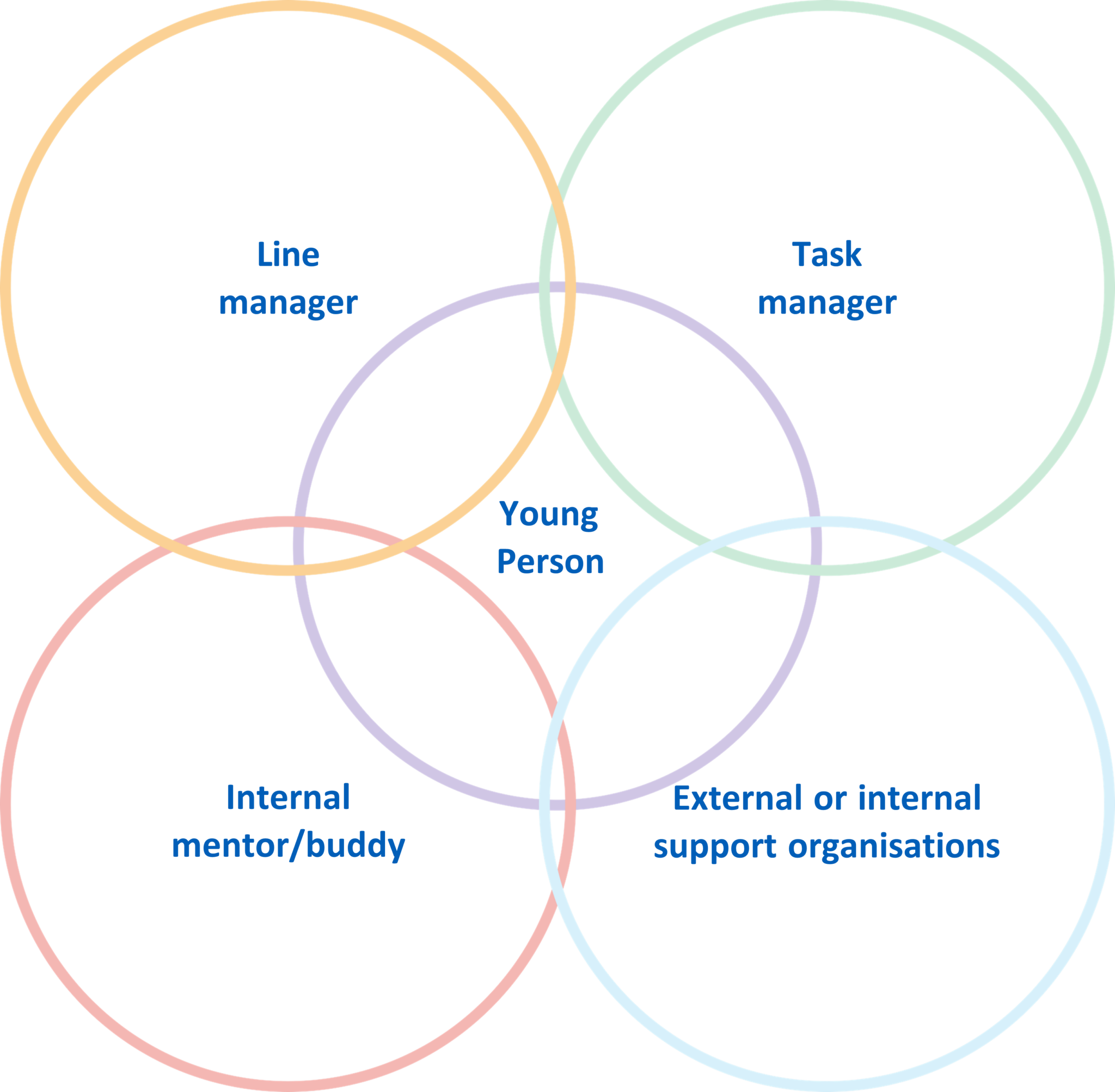
In NHS Birmingham and Solihull ICB, where James started his career, they’ve developed a reliable information exchange with representatives who can provide help and direction on mental health, HR matters, recruitment, and inclusivity efforts.
The standard NHS recruitment process—formal and often daunting—has been intentionally adjusted. Job advertisements now highlight character attributes rather than extensive qualifications. Application procedures have been reimagined to address the unique challenges care leavers might face—from not having work-related contacts to having limited internet access.
Maybe most importantly, the Programme recognizes that starting a job can create specific difficulties for care leavers who may be handling self-sufficiency without the safety net of parental assistance. Matters like commuting fees, proper ID, and financial services—assumed basic by many—can become major obstacles.
The brilliance of the Programme lies in its attention to detail—from explaining payslip deductions to helping with commuting costs until that crucial first wage disbursement. Even seemingly minor aspects like break times and office etiquette are thoughtfully covered.
For James, whose career trajectory has “transformed” his life, the Programme provided more than a job. It gave him a feeling of connection—that elusive quality that emerges when someone is appreciated not despite their background but because their unique life experiences enriches the organization.
“Working for the NHS isn’t just about doctors and nurses,” James notes, his gaze showing the modest fulfillment of someone who has secured his position. “It’s about a collective of different jobs and roles, a group of people who genuinely care.”
The NHS Universal Family Programme exemplifies more than an job scheme. It functions as a strong assertion that organizations can evolve to embrace those who have navigated different paths. In doing so, they not only alter individual futures but enhance their operations through the unique perspectives that care leavers provide.
As James walks the corridors, his presence subtly proves that with the right help, care leavers can thrive in environments once deemed unattainable. The support that the NHS has extended through this Programme represents not charity but acknowledgment of hidden abilities and the essential fact that everyone deserves a family that believes in them.